February 13, 2026 | Miscellaneous
Why Boat Storage in Virginia Matters for Your Investment
Boat storage Virginia comes in four main types: indoor/covered storage, outdoor yard storage, dry stack (boatel) facilities, and wet slips. Each option offers different levels of protection, cost, and accessibility depending on your boat type, budget, and how often you use your vessel.
Quick Storage Options at a Glance:
- Indoor Storage – $108-$810/month depending on size; maximum protection from weather and UV damage
- Outdoor Yard Storage – $150-$175/month; cost-effective with shrink-wrap options available
- Dry Stack (Boatel) – Premium pricing; valet launch service with 5-minute water access
- Wet Slips – $196-$308/quarter; immediate water access with shore power
Key Considerations:
- Most facilities charge by Length Overall (LOA) and beam width
- Insurance requirements typically mandate $300,000 liability coverage
- Popular locations near Chesapeake Bay, Potomac River, and Rappahannock River
- Seasonal waiting lists common at prime facilities
Virginia’s unique climate—hot, humid summers and freezing winters—demands proper storage to protect your boat’s resale value. Whether you’re storing a center console near the Chesapeake Bay or a sailboat along the Potomac River, choosing the right facility impacts everything from maintenance costs to how quickly you can get on the water.
As Kendall Webre, Senior Sales Executive at Norton Yachts, I’ve guided hundreds of boat owners through selecting appropriate boat storage Virginia solutions that match their vessel type, usage patterns, and budget constraints. Our full-service marina and boatyard offers comprehensive storage options backed by certified technicians and professional maintenance services.
Understanding Your Boat Storage Options
Choosing the right boat storage Virginia option is like picking the perfect berth for your vessel—it needs to fit your boat, your lifestyle, and your budget. We’ve seen it all, from compact kayaks to sprawling yachts, and each demands a custom approach to storage. Let’s explore the four main types of storage we encounter in Virginia and how they might suit your needs.
| Storage Type | Protection Level | Cost Comparison | Accessibility | Best Use Cases |
|---|---|---|---|---|
| Indoor & Covered | Maximum | High | Limited, scheduled access | High-value boats, off-season, long-term, climate-sensitive vessels |
| Outdoor & Yard | Moderate | Low to Moderate | Easy, 24/7 access (often) | Budget-conscious, DIY maintenance, on-trailer storage |
| Dry Stack (Boatel) | High | Moderate to High | Valet launch, quick on-demand | Powerboats, frequent use, no trailering hassle |
| Wet Slips & In-Water | Moderate | Moderate to High | Immediate, 24/7 water access | Sailboats, larger vessels, liveaboards, frequent use |
Indoor & Covered Storage
For those who demand the pinnacle of protection for their cherished vessel, indoor and covered storage facilities in Virginia are often the answer. These options provide maximum safeguarding from the harsh elements, including damaging UV rays, driving rain, and even hail. This superior protection reduces the need for constant cleaning and waxing, keeping your boat looking pristine and helping to maintain its resale value.
Many indoor facilities, some offering over 150,000 sq. ft. of secure, enclosed space, even eliminate the need for extensive winterization for many boats, saving you time and money on seasonal preparations. Imagine not having to worry about freezing pipes or condensation damage! While accessibility might be limited to facility operating hours (though some offer flexible “as needed” hours), the peace of mind knowing your boat is in a climate-controlled or at least fully enclosed environment is invaluable. Our service yard at Norton Yachts also offers excellent options for indoor storage, ensuring your boat is safe and sound.
If you are comparing best practices for protecting your hull and systems in storage, resources like the BoatUS Foundation and ABYC guidelines can be helpful reference points alongside our in-house expertise.
Outdoor & Yard Storage
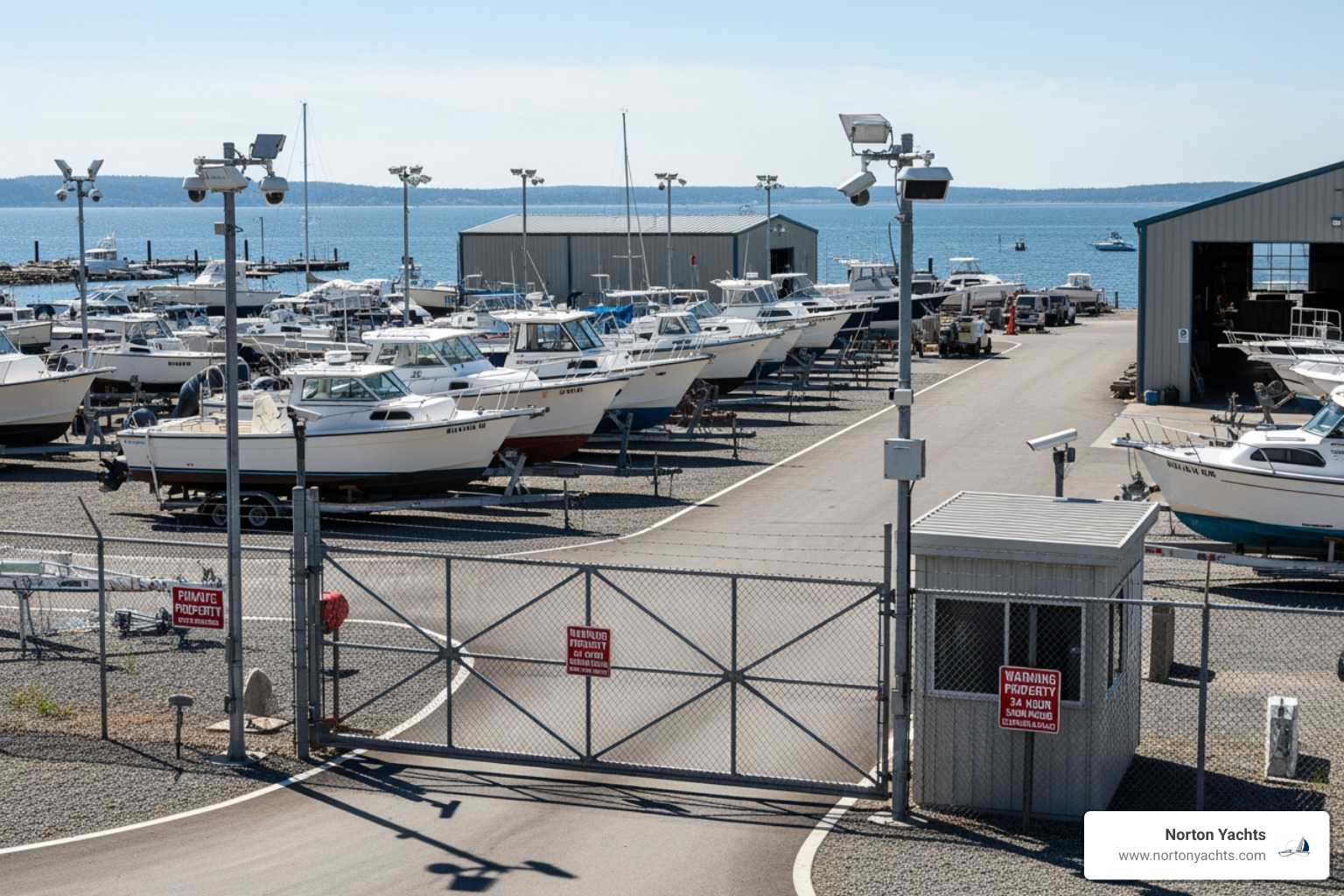
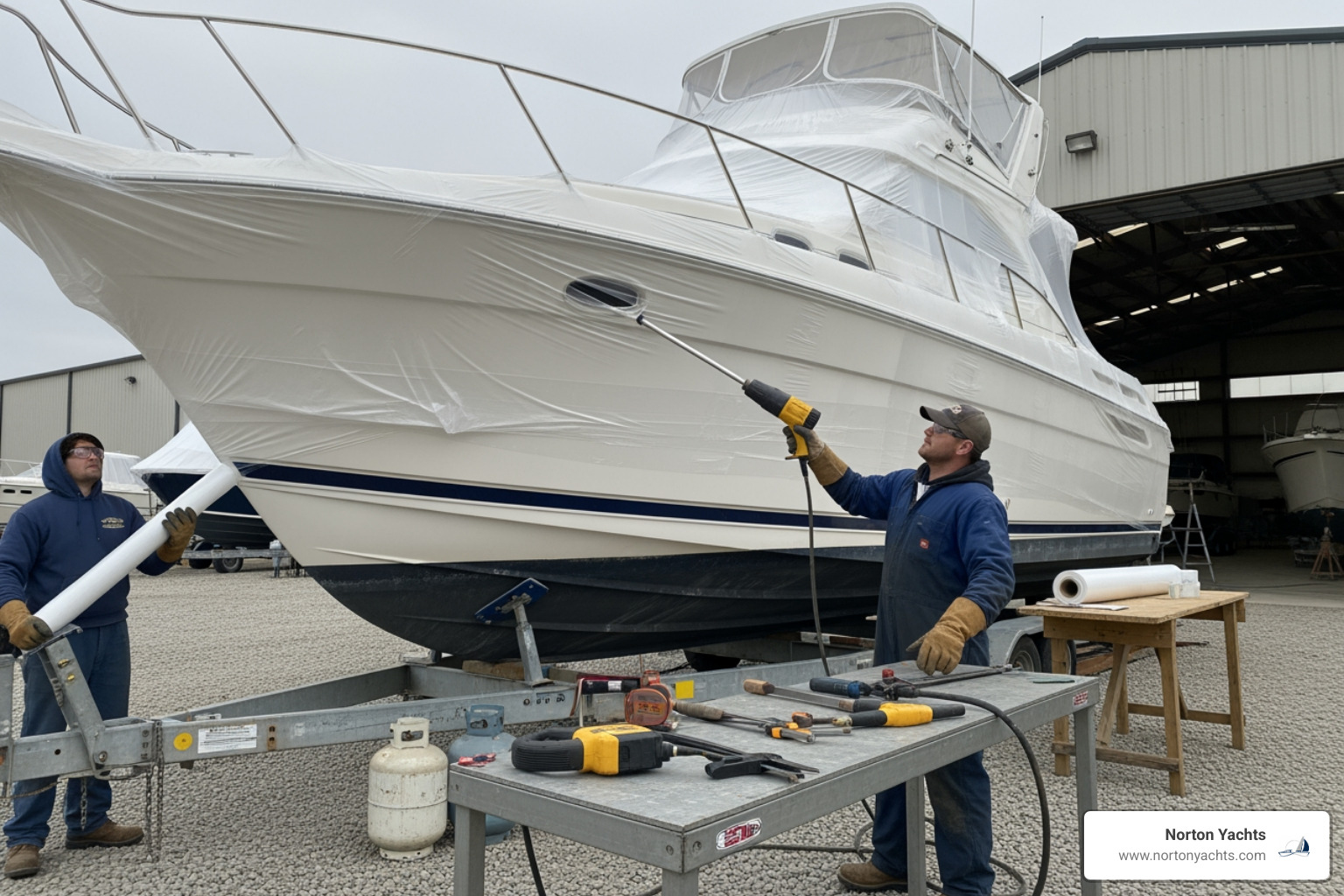
Outdoor and yard storage is a popular, cost-effective choice for many boat owners in Virginia. It typically involves storing your boat on its trailer in a secure, fenced lot. While it doesn’t offer the same level of environmental protection as indoor storage, services like shrink-wrapping can provide a significant shield against the elements, especially during the winter months. We always recommend proper Tips for Winterizing Your Boat for vessels stored outdoors, and you can find additional general guidance from trusted organizations such as the National Oceanic and Atmospheric Administration (NOAA) on seasonal weather risks in the Mid-Atlantic.
Many facilities offer storage space with pricing for regular and oversized plots, often near a convenient boat launch. It’s common to find large, fenced properties with electronic gate access, cameras, and lights for security, alongside month-to-month contracts. Some gravel boatyards are perfectly suited for those who prefer to perform their own repairs and maintenance, or for long-term storage, providing easy access for DIY work. This option is ideal for budget-conscious boaters who don’t mind a bit of preparation and upkeep.
Dry Stack Storage (Boatels)
Dry stack storage, often referred to as a “boatel,” is a fantastic option for powerboaters who value convenience and quick access without the hassle of trailering. Think of it as valet parking for your boat! Many premier boatels are fully enclosed, with capacities for hundreds of boats, designed specifically to protect your vessel from the elements. They often offer impressive services such as multiple boat moves a day, a 20-minute launch call-ahead service, and even night launches.
When you’re ready to hit the water, you simply call ahead, and our team uses specialized forklifts to swiftly transport your boat from its rack directly to the water. This not only maximizes space but also eliminates the wear and tear associated with trailering. It’s particularly beneficial for boats with stepped hulls, which can be vulnerable to damage if not handled correctly. Our Learn about our Boatel and storage services provide a seamless experience, getting you from storage to open water in no time.
Wet Slips & In-Water Storage
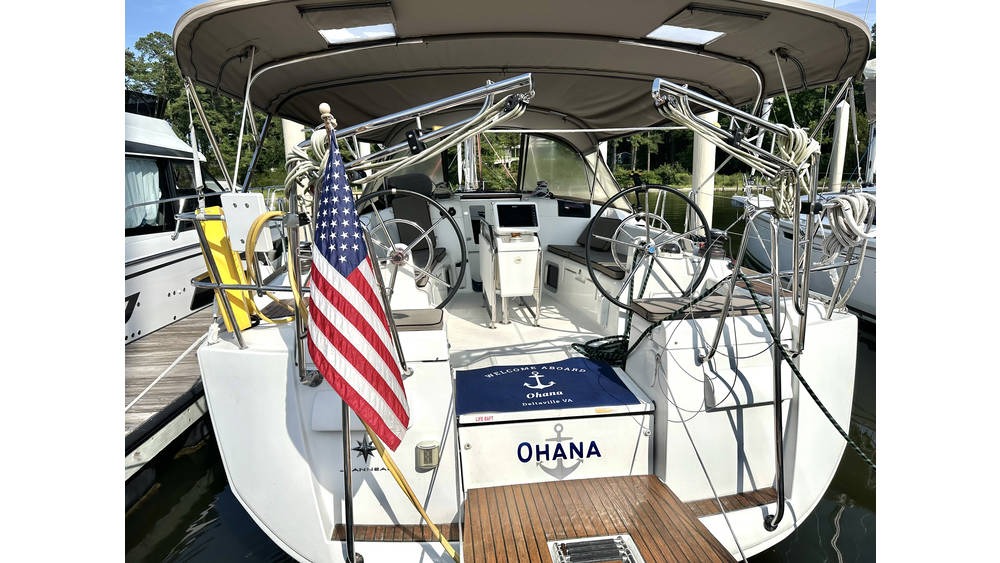
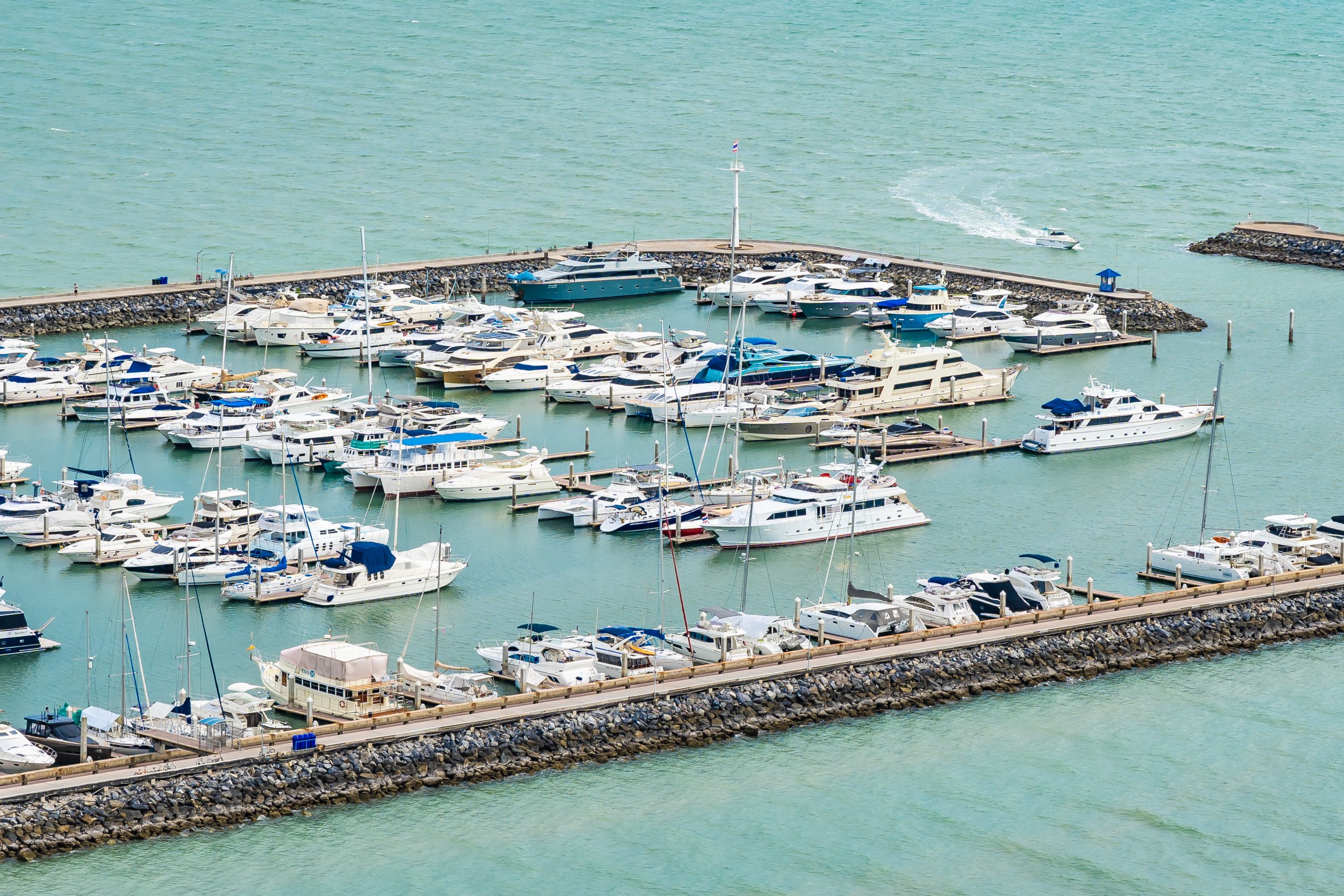
For those who want immediate access to the water, a wet slip is the quintessential choice. Your boat stays in the water, ready to go at a moment’s notice. This is particularly popular for larger vessels, sailboats, and those who enjoy spontaneous outings. Many marinas offer boat slips and jet ski slips, some with water and electricity hookups (20-AMP and 30-AMP service), and even ADA accessibility.
Wet slips often come with additional amenities such as floating piers, shore power, and water hookups, making them a comfortable “home away from home” for your boat. While it offers unparalleled convenience for frequent use, it also means your boat is constantly exposed to the elements, requiring more regular cleaning and maintenance. If you are new to docking or mooring terminology, the Marina overview can be a useful primer on in-water storage concepts. Whether you prefer a covered or uncovered slip, we have options available at our Norton Yachts marina to suit your in-water storage needs.
Key Factors for Choosing a Virginia Boat Storage Facility
Selecting the ideal boat storage Virginia facility involves more than just finding an available spot. It’s about ensuring your investment is protected, accessible, and supported by the right services. We always advise our clients to consider several critical factors before making a decision.
Finding the Right Boat Storage in Virginia’s Key Waterways
Location, location, location! For boaters in Virginia, proximity to major waterways is often the most significant factor. The Chesapeake Bay, Potomac River, Rappahannock River, and James River are the lifeblood of our boating community, and where your boat is stored directly impacts your time on the water.
Many facilities are strategically located just minutes from major rivers like the Potomac and Rappahannock, offering direct access to the region’s most popular boating destinations and prime saltwater fishing grounds. Some indoor facilities in Central Virginia emphasize their accessibility to the James River, Virginia Beach, and Hampton Roads. In Northern Virginia, you can find storage with convenient access to the Potomac River via several launch ramps less than five miles away. Further south, facilities situated on the Lower Chesapeake Bay provide easy access to the Atlantic Ocean and the Intracoastal Waterway.
Choosing a facility strategically located near your preferred boating grounds means less travel time, lower fuel costs for transportation, and more time enjoying your boat. Our prime location at Norton Yachts, nestled in Deltaville between the Rappahannock and Piankatank Rivers, offers convenient access to the Chesapeake Bay and beyond, making it a favorite for many boaters.
Security, Accessibility, and Amenities
Beyond location, the security of your boat is paramount. Look for facilities with robust security measures such as gated access, 24-hour surveillance cameras, ample lighting, and ideally, on-site staff. Some offer 24-hour access with remote-controlled gate systems for contact-free entry, along with extensive lighting and reflective parking markers for safety. Top-tier facilities may even manually record every boat move, offering exceptional peace of mind.
Accessibility also plays a huge role. Do you need 24-hour access, or are scheduled hours acceptable? For dry stack storage, inquire about launch services and call-ahead times. It’s common for boatels to promise multiple boat moves a day with a short call-ahead window, and some even offer night launches.
A wide array of amenities can significantly improve your boating experience. Many facilities offer fuel docks (some with ethanol-free options), pump-out stations, wash racks, and even fish cleaning stations. Some go further with an RV dump station, LP gas, pressure washer, vacuum, and air machine. You can also find ADA-accessible slips with water and electricity. Having these conveniences on-site at our Explore Norton Yachts’ marina amenities means less hassle and more time on the water. Don’t forget to check insurance requirements; most facilities will require proof of liability coverage, often around $300,000, and may need to be listed as an additional insured.
On-Site Maintenance and Repair Services
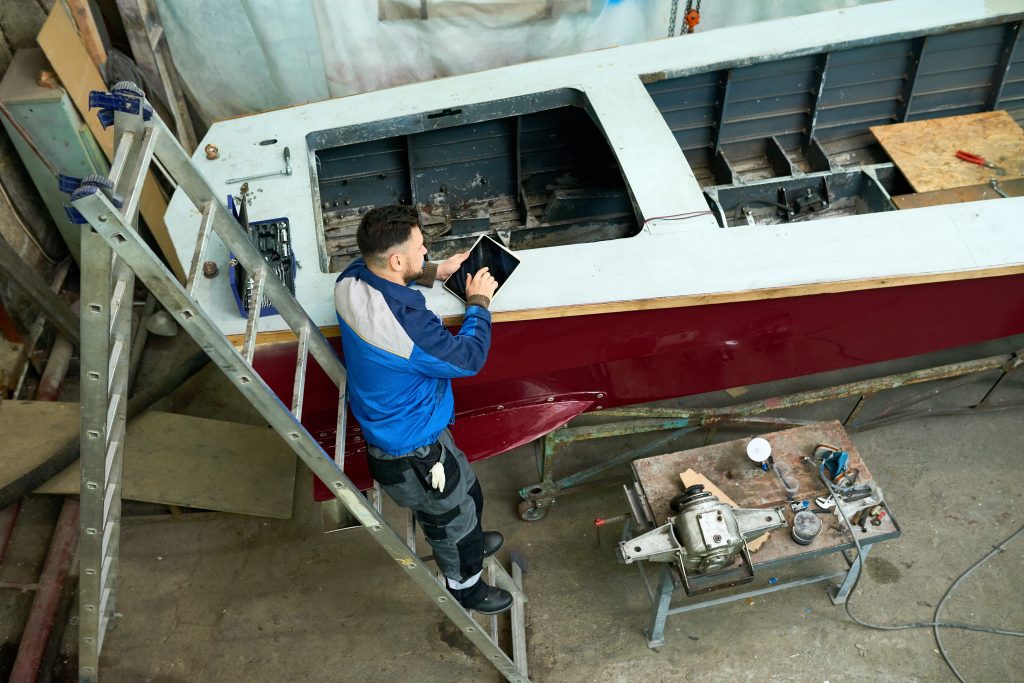
A full-service marina and boatyard like Norton Yachts offers a distinct advantage: comprehensive on-site maintenance and repair services. This means your boat can be stored and serviced at the same location, saving you the headache of transporting it to different specialists.
We pride ourselves on our certified technicians and experienced project managers who can handle everything from routine Winter Boat Service and engine repairs to complex custom fabrications, refits, and repowers. The best boatyards will boast numerous certifications from organizations like ABYC and top marine brands, indicating a high level of expertise. We also have capabilities for haul-outs (using our 35 and 75-ton lifts), bottom painting, rigging work, and professional Awlgrip refinishing.
Facilities that offer on-site service departments with factory-certified technicians for major brands provide unparalleled convenience. This integrated approach ensures your boat receives expert care, minimizing downtime and keeping it in top condition. Our Marina Services are designed to cover all your boat’s needs, from routine checks to major overhauls.
The Cost of Boat Storage in Virginia
Understanding the cost of boat storage Virginia can feel like navigating a maze, but we’re here to help explain the pricing models and help you budget effectively. It’s crucial to look beyond the sticker price and consider all potential fees and contract terms.
How Storage Rates Are Calculated
Storage rates are rarely a one-size-fits-all figure. Several key factors influence the final cost:
- Length Overall (LOA) and Beam Width: Most facilities charge based on your boat’s overall length, including bow pulpits, motor brackets, and swim platforms. Some also factor in beam width for dry stack or yard storage.
- Storage Type: Indoor storage and dry stack facilities generally command higher prices due to the improved protection and specialized services (like valet launching). Outdoor yard storage is typically the most economical.
- Contract Duration: Facilities often offer better rates for longer commitments. It’s common to see statements like “the longer you choose to store with us, the more economical the rate is per foot,” with options for six-month, annual monthly, or annual prepay contracts. Many marinas offer both monthly and annual rates.
- Seasonal Demand: Prices can fluctuate with seasonal demand, with winter storage sometimes having different rates or minimum durations.
- Jurisdiction/Residency: Some publicly-owned facilities offer preferential rates for residents within their jurisdiction.
It’s important to ask about all potential charges, including additional service fees, loading/unloading fees, and even special hurricane storage rates.
Typical Price Ranges in Virginia
While exact prices vary by location and facility, we can give you a general idea of what to expect for boat storage Virginia:
- Outdoor Yard Storage: This is often the most budget-friendly option. Some publicly-run facilities charge around $196-$220 per quarter for regular plots, with lower rates for local residents. Other private facilities may start around $108 per month, with rates from $135-$175 per month for larger boats.
- Indoor/Covered Storage: Expect a premium for this added protection. While many facilities don’t list specific pricing online, their emphasis on secure, enclosed space suggests a higher value offering. Our research shows general indoor rates can range from $108-$810 per month, depending heavily on boat size and facility.
- Dry Stack (Boatel) Pricing: This premium service often has a higher per-foot rate and may require a security deposit equal to one month’s rent.
- Wet Slip Fees: Annual resident fees at some public marinas can be around $2,450 for an uncovered slip, breaking down to approximately $204 per month. Quarterly fees for outdoor storage plots can range from approximately $196 to $308.
These figures are illustrative, and we always recommend contacting facilities directly for the most current and accurate pricing for your specific vessel.
Specialized Boat Storage in Virginia for Different Watercraft
Virginia’s diverse waterways attract a wide variety of watercraft, and storage options reflect this. We’ve seen facilities adapt to cater to everything from small paddle craft to large motorhomes.
- Kayaks and Paddle Crafts: Some public parks and marinas offer kayak storage for as little as $45 per quarter, while others may have annual fees around $275.
- Jet Skis: These nimble personal watercraft often have dedicated storage solutions. Some marinas offer jet ski slips with annual resident fees around $1,210, while others provide space for jet skis on trailers.
- Larger Boats and Yachts: Full-service boatyards with 35 and 75-ton lifts can accommodate boats up to 60 feet in length and 19.5 feet in beam, catering to substantial vessels. Some facilities also highlight specialized racks for boats with stepped hulls, which require careful handling due to their design.
- RV and Trailer-Only Storage: Many marinas and storage facilities recognize that boaters often have other recreational vehicles or simply need to store their boat trailer. It’s common to find facilities that offer RV storage and dedicated trailer storage, sometimes at a reduced rate if your boat is also stored on-site. Some even offer car storage for customers who are out cruising.
The Reservation Process and Virginia Regulations
Once you’ve identified the perfect boat storage Virginia option, the next step is securing your spot. We’ve helped countless boat owners through this process, and understanding the steps and requirements beforehand can save you a lot of time and potential headaches.
Reserving Your Space
The reservation process can vary slightly between facilities, but generally, it involves a few key steps:
- Initial Inquiry: Start by contacting the facility directly to check availability and pricing. Most will have a phone number or an online inquiry form.
- Waiting Lists: For popular marinas and specific types of storage, especially wet slips or dry stack, waiting lists are common. Some public marinas run an annual waiting list enrollment period (e.g., in November for the following year), requiring a non-refundable enrollment fee and often prioritizing residents. It’s wise to plan ahead!
- Reservation Forms and Contracts: Once space is confirmed, you’ll typically fill out a reservation form or a detailed storage agreement. It’s a good practice to review the facility’s rules and regulations upfront.
- Security Deposits: Many facilities require a security deposit, often equivalent to one month’s rent (though some may waive it for annual prepay leases).
- Customer Portals: Some modern facilities offer customer portals where you can sign in to manage your account, make payments, start new leases, and view documents.
- Scheduling: For dry stack or yard storage, be prepared to give advance notice for pickups and launches. Some may require 24-hour notice for all pickups, while boatels might ask for 20 minutes notice on weekdays but require you to be in person for weekend launches.
Common Rules and Requirements
To ensure a smooth storage experience, be aware of the common rules and regulations:
- Proof of Insurance: This is almost universally required. Facilities will explicitly state the need for proof of insurance with specific requirements, often a $300,000 liability combined single limit, and will ask to be listed as an additional insured. This protects both you and the facility.
- Battery Switches: For safety, many facilities require a battery switch on your stored vessel.
- Outside Contractor Policies: Some facilities have strict rules about who can work on your boat while it’s on their property. They may not allow outside contractors on the premises, though you can typically clean your boat or perform light maintenance yourself on a designated work or wash rack. Always check the specific outside contractor regulations.
- Environmental Rules: As marine industry experts, we emphasize the importance of “Clean Marina” standards. Facilities typically prohibit changing oil or other fluids on wash racks to prevent environmental contamination.
- Special Handling for Certain Hulls: As some boatyards note, boats with stepped hulls can be vulnerable to chipping and cracking when handled by forklifts. They may highly recommend purchasing a special storage rack to prevent damage and may not take responsibility for such specific hull damage even while exercising care.
- Access Hours and Procedures: Understand the facility’s operating hours and procedures for accessing your boat, especially if you plan to use it after hours. Some boatels offer a night launch service for their guests.
- Residency and Usage Limits: For publicly-owned marinas, there may be residency requirements for waiting lists and specific limits on transient use (e.g., 30 days within a 45-day period during peak season).
Conclusion: Protecting Your Investment with the Right Storage
Choosing the right boat storage Virginia solution is a critical decision for any boat owner. It’s not just about finding a place to park your boat; it’s about safeguarding your investment, ensuring its longevity, and maximizing your enjoyment on the water. From the robust protection of indoor storage to the quick access of a dry stack, and the immediate gratification of a wet slip, each option offers distinct advantages custom to different needs and budgets.
We’ve explored the diverse types of storage available across Virginia, digd into the crucial factors like location, security, and amenities, and clarified the typical costs and reservation processes. By understanding these elements, you’re better equipped to make an informed decision that aligns with your boating lifestyle.
At Norton Yachts, we believe in providing not just storage, but a comprehensive marine solution. Our expertise in boat sales, service, and ownership means we understand what it takes to care for a vessel. With certified technicians, a full-service boatyard, and a commitment to quality, we ensure your boat receives the professional care it deserves. Whether you’re looking for winter storage, long-term protection, or a convenient spot to keep your boat ready for adventure, we’re here to help.