Navigating the Seas: Decoding AIS and RADAR – Understanding the Differences
In the vast expanse of open waters, maritime safety and navigation rely on advanced technologies to prevent collisions and ensure the smooth flow of traffic. Two vital tools in a seafarer’s arsenal are AIS (Automatic Identification System) and RADAR (Radio Detection and Ranging). While both play key roles in maritime safety, they serve distinct purposes. Let’s delve into the differences between AIS and RADAR to better understand their unique functionalities.
Automatic Identification System (AIS)
 |  |  |
AIS is a system used for vessel tracking and identification. It was designed to enhance situational awareness and avoid collisions at sea.
Key features of AIS
- Identification and Tracking: AIS allows vessels to automatically exchange information such as ship name, type, position, course, and speed with nearby vessels and shore stations. This information is broadcast at regular intervals.
- Collision Avoidance: By providing real-time data on the location and movement of other vessels, AIS aids in collision avoidance. Vessels equipped with AIS transponders can “see” each other on electronic displays, allowing for better decision-making and course adjustments.
- Integration with Navigation Systems: AIS information is often integrated into a vessel’s navigation system, providing a comprehensive view of the maritime environment. This integration enhances the overall safety of navigation.
RADAR (Radio Detection and Ranging)
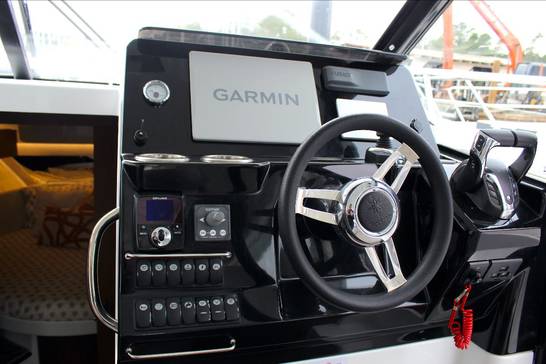
RADAR, on the other hand, is a technology that uses radio waves to detect and locate objects. It has been a staple in maritime navigation for decades.
Key features of RADAR
- Object Detection: RADAR detects objects by transmitting radio waves and receiving echoes. This allows it to identify the distance, direction, and speed of objects, including other vessels, land masses, and weather phenomena.
- All-Weather Capability: RADAR is effective in various weather conditions, including fog and darkness. It provides a reliable means of navigation when visibility is compromised.
- Obstacle Avoidance: RADAR is crucial for detecting potential obstacles, such as other vessels or land masses, and helps in navigating around them. It is particularly useful in crowded or congested waters.
The main differences between AIS and RADAR
- Information Exchange: AIS is primarily a communication tool, facilitating the exchange of standardized information between vessels. RADAR, on the other hand, focuses on detecting and locating objects.
- Visibility: While AIS is limited by its range, typically within VHF radio range, RADAR can detect objects over longer distances and is not restricted by line-of-sight limitations.
- Purpose: AIS is designed for collision avoidance and information exchange, while RADAR serves a broader range of purposes, including navigation, object detection, and weather monitoring.
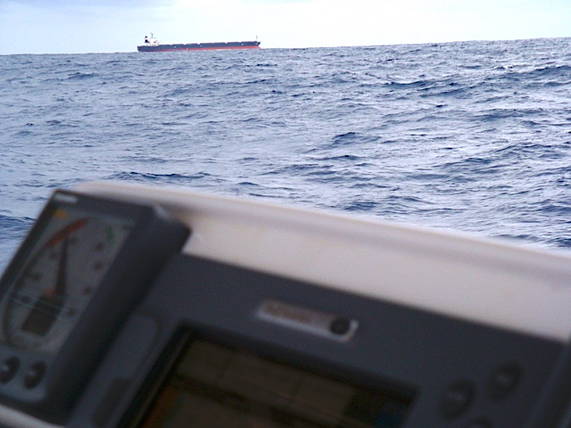
In summary, both AIS and RADAR are integral components of modern maritime navigation, each offering unique benefits. AIS enhances communication and situational awareness, while RADAR provides reliable object detection in various environmental conditions. Together, these technologies contribute to safer and more efficient maritime operations, ensuring vessels can navigate the seas with confidence.
Norton Yachts is a Raymarine and Garmin dealer on the Chesapeake Bay. Interested in an electronics upgrade or install? Give us a call at 804.776.9211!