Why Every Seller Needs a Proven Boat Selling Guide
A boat selling guide helps you steer the complex process of selling your vessel—whether you’re upgrading to a new Jeanneau, downsizing from a Bennington, or moving on from boating. The right approach can mean the difference between a quick, profitable sale and months of frustration.
A successful sale requires five key stages: thorough preparation, realistic pricing, compelling marketing, professional showings, and a smooth closing. Most private sellers underestimate the time and expertise involved. The average boat takes 8-12 weeks to sell, and boats that are poorly presented or priced too high can languish for a year or more.
Brokers typically charge an 8-10% commission but handle marketing, negotiations, and legal paperwork, often securing higher final prices and faster sales. Common mistakes like overpricing, poor photos, and being unprepared for paperwork can be costly. This guide walks you through every stage to help you avoid errors and maximize your return.
I’m Kendall Webre, Senior Sales Executive at Norton Yachts, where I’ve helped dozens of sellers steer the boat selling process. Whether you sell privately or work with our brokerage team, this boat selling guide provides the roadmap for a successful transaction.
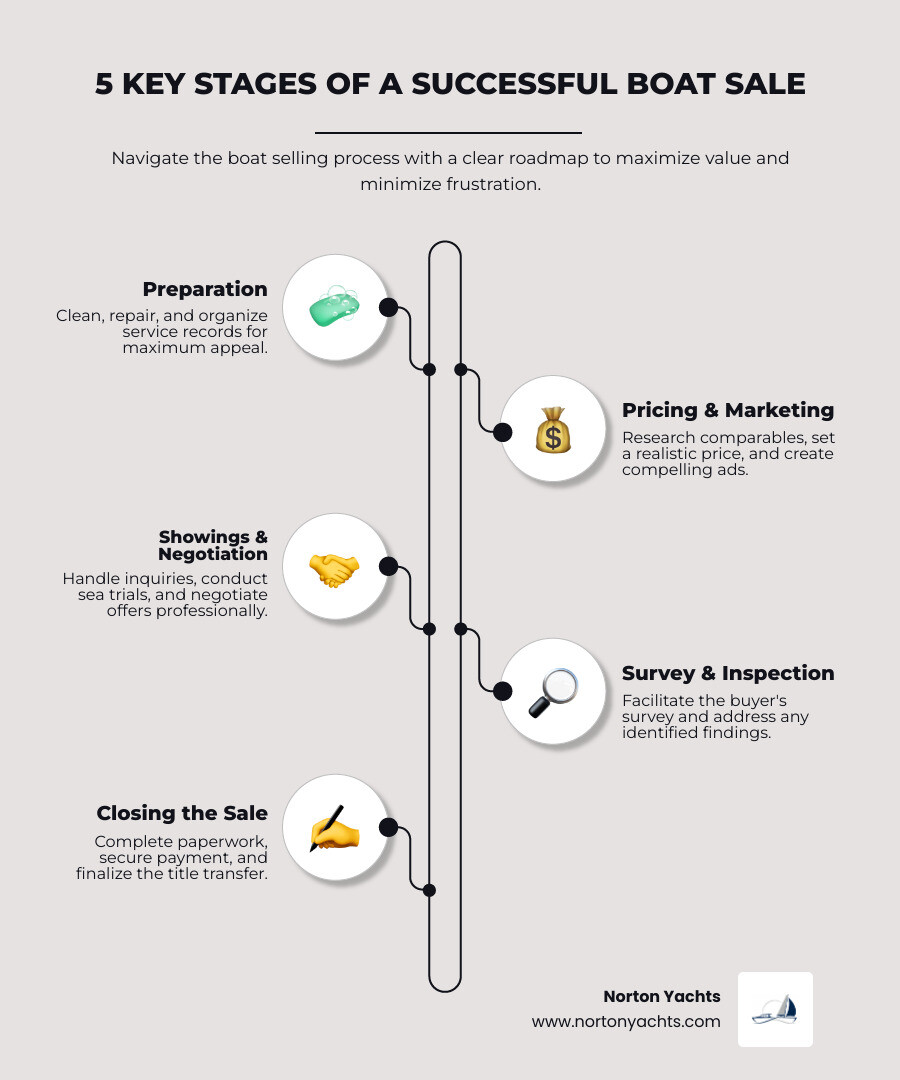
Stage 1: Pre-Sale Preparation and Strategy
Before your boat hits the market, strategic planning sets the foundation for a successful sale, ensuring your boat attracts serious buyers in the Virginia, Chesapeake Bay, and Eastern Shore markets.
Private Sale vs. Using a Norton Yachts Broker
One of your first decisions is whether to sell privately or use a professional broker. We at Norton Yachts can help you choose the best option for your situation.
Selling Privately:
- Pros: You avoid commission and maintain full control. This can be a viable option for smaller, lower-value boats.
- Cons: It’s extremely time-consuming. You are responsible for every step: cleaning, repairs, photography, marketing, screening buyers, conducting showings, and handling complex legal paperwork. You also rarely get top dollar on a trade-in.
Using a Norton Yachts Broker:
- Pros: Our brokers handle everything. We market your vessel through our extensive network, reaching serious buyers in Deltaville, Norfolk, Richmond, and Washington D.C. We manage inquiries, conduct showings, negotiate to secure the best price, and handle all legal and closing documentation. This saves you significant time and stress. While brokers earn a commission (typically 8-10%), our market reach and negotiation expertise often result in a faster sale and a higher net price. We also offer options like our Understanding the Boat Trade-In Process if you’re looking to upgrade.
- Cons: The primary con is the commission, but the benefits often outweigh this cost, especially for mid-to-high-value vessels.
How to Prepare Your Boat to Maximize Value
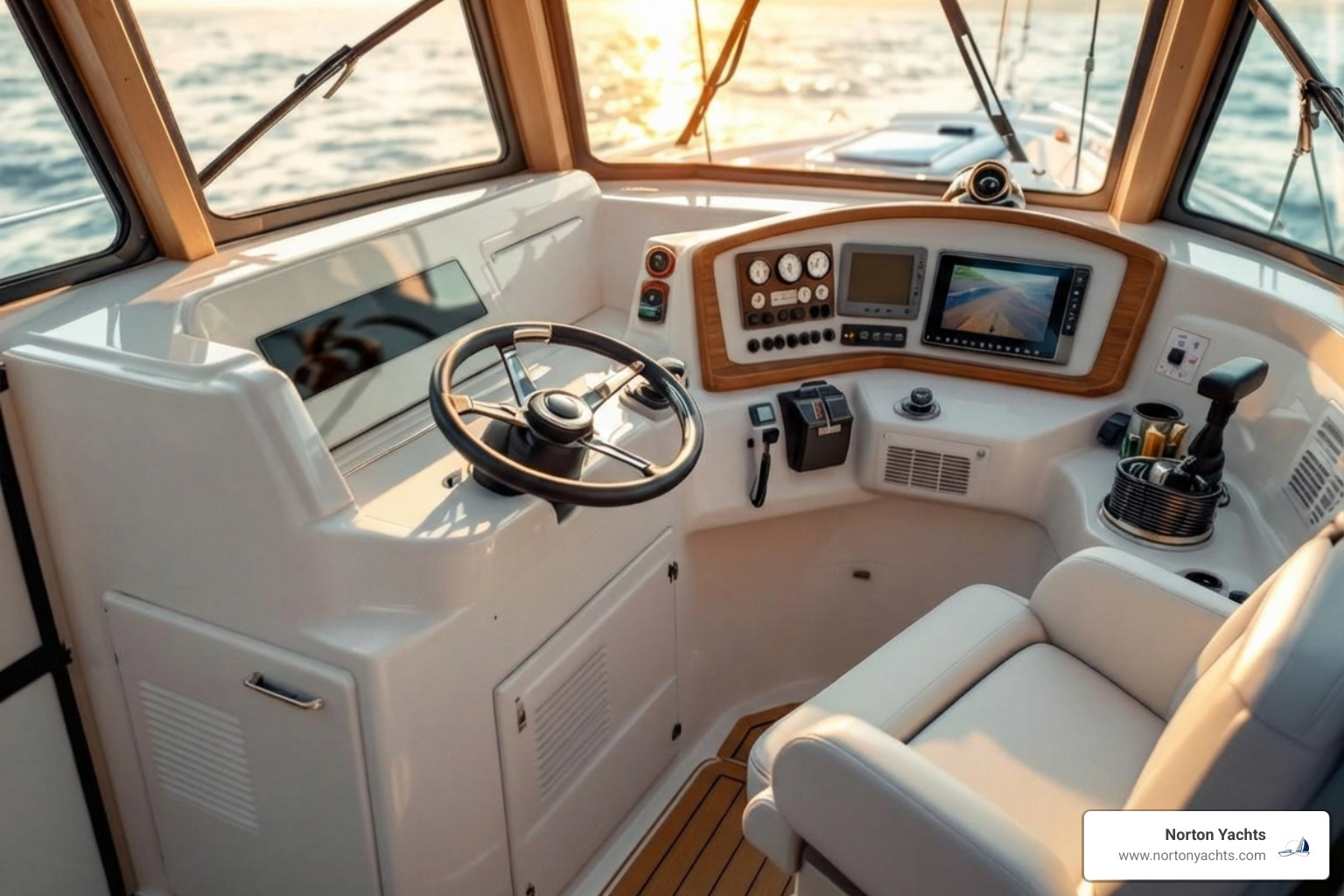
First impressions are critical. A clean, well-maintained boat signals quality to buyers and can significantly increase its value.
- Deep Cleaning: This means a thorough, professional-level cleaning. Wash and wax the hull and deck. Clean out-of-sight areas like anchor lockers, bilges, and engine rooms. A shiny gelcoat and a clean bilge speak volumes. Our More info about our Boat Service Center can assist with detailing.
- Decluttering Personal Items: Remove all personal gear. Buyers want to envision the boat as their own. Empty spaces make the boat feel larger and more inviting.
- Minor Repairs: Fix small issues like broken lights or leaky faucets. These can be red flags for buyers and are best addressed upfront to prevent them from becoming negotiation points.
- Organizing Maintenance Records: A detailed service history is a goldmine. Gather all receipts and service logs to prove regular care. This documentation builds trust and is a powerful selling point.
When is the Best Time of Year to Sell?
Timing can impact your sale’s speed and profitability. Spring (mid-February through early June) is traditionally the best time to sell. As the weather warms across Virginia and the Chesapeake Bay, buyer demand peaks. However, in our warmer region, interest can be year-round. Listing in the off-season can mean less competition. In a hot market, boats can sell in 3-4 weeks, but 8-12 weeks is a more typical baseline. Poorly presented or overpriced boats can take over a year to sell. Our brokers can advise on the optimal time to list based on current market conditions.
Stage 2: Pricing, Advertising, and Marketing Your Boat
Once your boat is ready for its close-up, the next steps are setting the right price and ensuring the right buyers see it. This is where our marketing and valuation expertise shines.
How to Determine a Realistic Asking Price
Setting the right price is the most crucial decision. Overprice, and your boat will sit; underprice, and you lose money. The market, not sentiment, sets the value.
Key factors influencing value include:
- Age and Condition
- Make, Model, and Brand (Prestigious brands like Jeanneau or Bennington hold value well)
- Engine Hours
- Location (High-demand areas like the Chesapeake Bay can fetch better prices)
- Freshwater vs. Saltwater Use
- Equipment and Upgrades
Research comparable listings for similar boats that have recently sold. While NADA guides offer estimates, they don’t account for your boat’s specific condition or local market nuances. At Norton Yachts, we provide a professional market analysis to help you set a competitive price. You can learn more on our How to Price your Boat for Sale page.
Creating a Compelling Advertisement
A strong ad tells your boat’s story and sells the experience.
- High-Quality Photos and Video: Polished, well-lit photos from all angles are essential. Include shots of the bow, stern, deck, cockpit, accommodations, and engine room. A video walkthrough can help a boat sell up to 20 percent faster. Avoid using manufacturer stock photos.
- Detailed Descriptions: Write a clear, compelling description. Include builder specifications (LOA, beam, draft) and exact model numbers for electronics. Use bullet points to highlight upgrades and aftermarket equipment.
- Honesty and Transparency: Be upfront about the boat’s condition and any known issues. This builds trust and prevents surprises.
Key Information to Include in Your Ad:
- Catchy title and detailed description
- High-quality photos and a video walkthrough
- Exact builder specifications (LOA, beam, draft, gross weight)
- Year, make, model, and HIN
- Engine make, model, hours, and service history
- List of all significant equipment and electronics
- Location of the boat (e.g., Deltaville, VA)

Where to Advertise Your Boat for Sale
Strategic advertising is key to maximizing reach.
- Norton Yachts Brokerage Listings: When you list with us, your boat is featured on our website and across our network of specialized boating marketplaces, reaching a national audience of serious shoppers.
- Norton Yachts Website: Our site is a central hub for buyers looking for boats in the Virginia and Chesapeake Bay areas.
- Social Media: We use platforms like Facebook and Instagram to promote listings to a targeted audience.
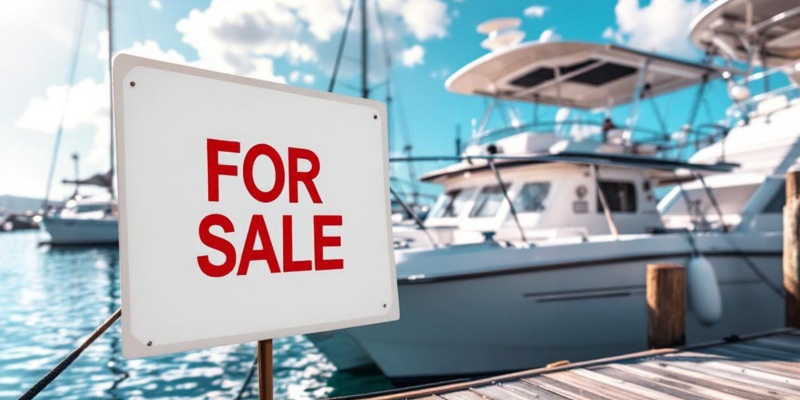
- “For Sale” Signs: A sign on your boat at a high-visibility marina can attract local interest.
While free classifieds exist, they often attract low-quality leads. We focus on placing your boat where serious buyers are actively looking, making the process more efficient.
Stage 3: The Ultimate Boat Selling Guide to Showings, Surveys, and Negotiations
You’ve prepared your boat, set a fair price, and created a compelling ad. Now it’s time to engage with potential buyers with professionalism and transparency.
Handling Inquiries and Spotting Serious Buyers
Prompt, professional communication is essential. Respond quickly and honestly to all legitimate inquiries about the boat’s condition and history. A Norton Yachts broker excels at qualifying buyers, engaging them in conversation to determine if your boat is a good match and saving you from unnecessary showings.
Be wary of scammers. Red flags include:
- Buyers eager to purchase without seeing the boat.
- Requests for personal financial information.
- Offers to overpay and have you wire back the difference.
- Use of unusual third-party payment methods.
Conducting a Successful Showing and Sea Trial
This is your chance to let the boat shine. Ensure it is immaculate, decluttered, and all systems are working. Be prepared to demonstrate features and answer questions knowledgeably.
A sea trial is standard, but protect your interests. It is common practice to agree on a price, sign a preliminary contract, and collect a deposit (typically 10 percent) before a sea trial. This ensures the buyer is serious and prevents joy rides. Our brokers manage this process to ensure a secure and professional experience.
The Role of the Marine Survey
A marine survey is an independent inspection of the boat’s condition and value, hired and paid for by the buyer. The surveyor will inspect the hull, deck, engine, and all other systems.
Consider a pre-sale survey for your own benefit. It provides an objective assessment, helps you address issues proactively, and can instill confidence in buyers, potentially speeding up the sale.
Survey findings may lead to negotiations. If material defects are found, the buyer may request repairs or a price reduction. You can agree to an adjustment, perform the repairs, or end the deal. Our brokers are adept at navigating these negotiations to protect your interests.
Effective Negotiation Strategies
Negotiation is a business transaction. A clear strategy will lead to a smoother process.
- Know Your Bottom Line: Determine your absolute lowest acceptable price before you list.
- Respond to Offers: Respond professionally to all offers, even low ones, with a reasoned counter-offer.
- Justify Your Price: Use facts like recent maintenance, valuable upgrades, and comparable sales data to support your price.
- Put Agreements in Writing: All offers, counter-offers, and the final agreement should be documented in writing to prevent misunderstandings.
- Remain Professional: Keep emotions in check. A calm, business-like demeanor serves you best.
Stage 4: Finalizing the Sale: Paperwork and Payment
You’ve found a buyer and agreed on a price. This final stage requires meticulous attention to detail to ensure a legally sound transfer of ownership and secure payment.
A Complete Boat Selling Guide to Essential Paperwork
The required paperwork varies by state, but you will generally need the following:
- Bill of Sale: A critical legal document including the boat’s description (with HIN), purchase price, date, and signatures from both parties. A separate bill of sale is often needed for an included trailer.
- Title Transfer: You must sign over the boat’s title (and trailer title, if applicable) to the new owner through the appropriate state agency (e.g., Virginia’s DWR or DMV). For federally documented vessels, the transfer process is handled through the US Coast Guard’s National Vessel Documentation Center.
- Proof of Loan Payoff: If you have a loan, you need documentation showing it has been paid and the lien released to provide a clear title.
- Other Documents: Provide the buyer with the current registration, any transferable warranty information, and all maintenance records and owner’s manuals.
For a comprehensive checklist, refer to our Documentation Needed to Sell a Boat: Be Ready! resource.
Best Practices for Accepting Payment
Securing payment safely is paramount to avoid fraud.
- Secure Payment Methods:
- Wire Transfer: Generally the most secure method for large transactions. Confirm funds have cleared before releasing the boat.
- Cashier’s Check: These can be forged. Always verify the check directly with the issuing bank’s main office before proceeding. Do not rely on funds simply appearing in your account.
- Escrow Services: An independent escrow service can hold funds until all conditions are met, adding security for both parties.
- Verifying Funds: Never hand over the keys, title, or bill of sale until you have absolute confirmation that funds are legitimate and fully cleared in your account.
- Avoiding Fraud: Be cautious of buyers who offer to overpay or insist on unusual payment methods. These are classic scam tactics. Our brokers are experienced in preventing such schemes.
Frequently Asked Questions About Selling a Boat
We hear a lot of questions from sellers. Here are some of the most common, addressed in this boat selling guide.
How long does it typically take to sell a boat?
The timeline varies based on market conditions, price, and the boat’s condition. On average, expect a sale to take 8-12 weeks. In a strong market, well-priced boats can sell in 3-4 weeks. However, overpriced or poorly presented boats can linger on the market for a year or more. Our brokers provide current market insights for the Virginia and Chesapeake Bay regions to help set realistic expectations.
What are the most common mistakes to avoid in this boat selling guide?
Certain missteps can prolong the sale or reduce your price. Avoid these common errors:
- Overpricing: This is the #1 mistake. Price your boat based on market data, not sentiment, to attract serious buyers.
- Poor Presentation: A dirty or cluttered boat suggests poor maintenance. Invest in a deep clean, declutter, and make minor repairs. Our Boat Service Center can help.
- Bad Photography/No Video: In today’s market, high-quality photos and a video walkthrough are non-negotiable. They are your first and most important impression.
- Hiding Known Issues: Be transparent. A marine survey will likely uncover hidden problems, which erodes trust and can kill a deal.
- Unprepared Paperwork: Have your title, registration, and maintenance records organized from the start to avoid delays.
Do I need a broker to sell my boat?
While you can sell privately, a broker is an invaluable asset for most owners, especially for mid-to-high value vessels.
Private Sale Challenges: A private sale is a huge time commitment and requires expertise in marketing, negotiation, and complex legal paperwork. You also assume the risks of dealing with strangers and financial transactions.
Norton Yachts Broker Benefits:
- Market Knowledge & Reach: We price your boat competitively and market it to a vast network of qualified buyers.
- Expertise & Security: We are experts in negotiation and handle all complex legal and financial paperwork, ensuring a secure transaction.
- Time Savings: We manage the entire process, from filtering inquiries to conducting sea trials, saving you time and stress.
The broker’s commission (typically 8-10%) is often offset by achieving a higher sale price and a faster, more secure sale. We highly recommend using a broker for boats valued over $30,000, those with complex systems, or if you lack the time and expertise for a private sale.
Conclusion: Set Sail on Your Next Adventure
Selling your boat doesn’t have to be a turbulent journey. By carefully preparing your vessel, setting a realistic price, crafting a compelling advertisement, handling showings professionally, and securing the transaction with proper paperwork, you’re well on your way to a successful sale.
Preparation is key, and the value of expert guidance from a trusted partner like Norton Yachts can make all the difference. We pride ourselves on ensuring a smooth, efficient, and profitable transaction for our clients. Whether you’re selling to upgrade your Jeanneau, Bennington, or Saffier, or simply moving on from boating, a professional process ensures the best outcome.
Let our expert brokers guide you through every step. We’re here to help you turn your beloved vessel into your next adventure. Sell Your Boat with us today.